What affects power more in a camshaft....high lift or longer duration?
Here is why I ask.....
The '76 360 of mine has been in my 67 Dart since 2006:
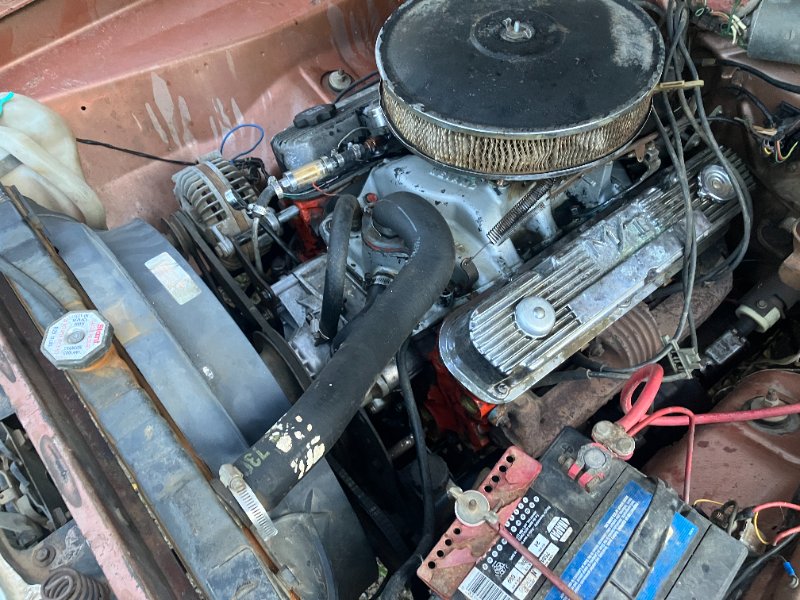
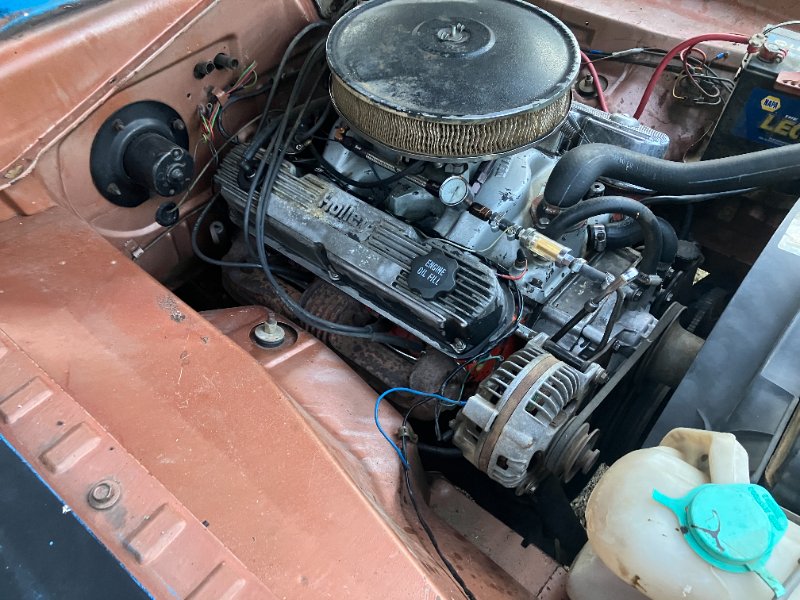
This is a standard bore mill with #308 heads and Fel Pro gaskets, maybe 8 to 1 compression. It has a MP 280/474 hydraulic cam, 1.5 rocker arms, a Weiand intake and Holley 750.
A friend wanted to unload a 360 he had....1990 roller cam engine with 2 blown head gaskets. I went through it...new pistons, rings and gaskets but I retained the cam since it is a Hughes with 218/228 degrees of duration and .544 lift. It has an Air Gap intake and will use the same Holley carburetor but with 1 5/8" Dougs headers.
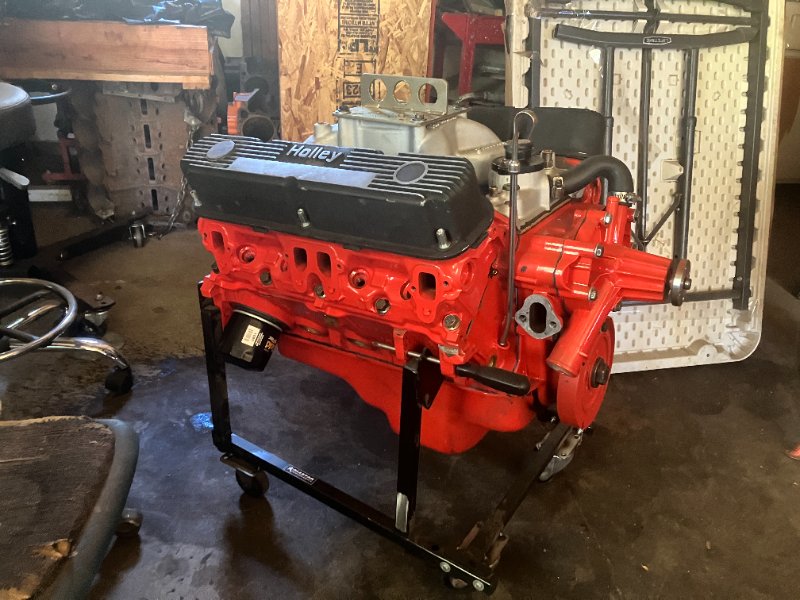
Comparing the two, the '76 has 1.5 points LESS compression, the same style heads, a better intake and exhaust, more duration but less lift.
Is it fair to say that higher lift only helps if the heads can flow enough air to take advantage of it?
The old style Mopar Performance cams always seemed to be long on duration and short on lift compared to other brands. Conversely, the Hughes cams are the opposite.
What do you think the logic was behind each principle?
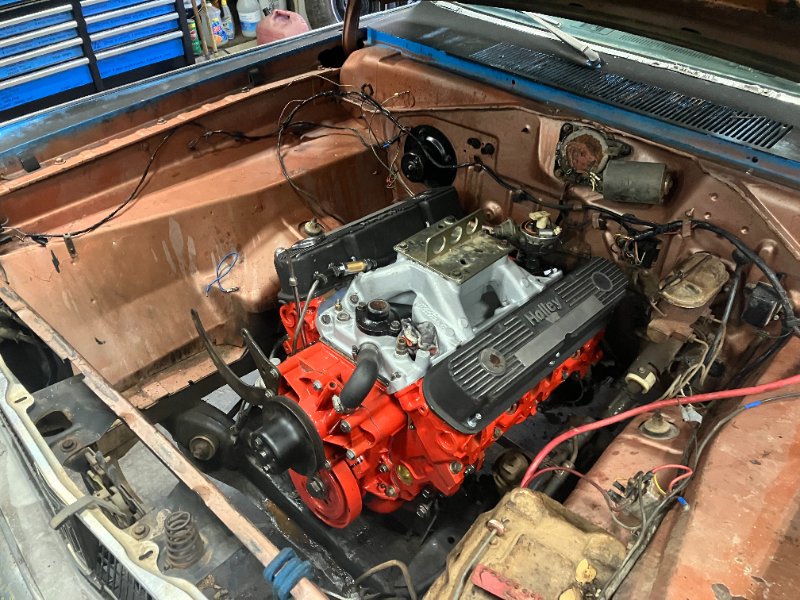
The '90 engine is in and I'm still finishing up with it but I'm curious about how the two will compare in performance. I'd expect the fresher, higher compression engine with a better intake and exhaust system to run strong but the difference in duration and lift has me unsure.
Here is why I ask.....
The '76 360 of mine has been in my 67 Dart since 2006:
This is a standard bore mill with #308 heads and Fel Pro gaskets, maybe 8 to 1 compression. It has a MP 280/474 hydraulic cam, 1.5 rocker arms, a Weiand intake and Holley 750.
A friend wanted to unload a 360 he had....1990 roller cam engine with 2 blown head gaskets. I went through it...new pistons, rings and gaskets but I retained the cam since it is a Hughes with 218/228 degrees of duration and .544 lift. It has an Air Gap intake and will use the same Holley carburetor but with 1 5/8" Dougs headers.
Comparing the two, the '76 has 1.5 points LESS compression, the same style heads, a better intake and exhaust, more duration but less lift.
Is it fair to say that higher lift only helps if the heads can flow enough air to take advantage of it?
The old style Mopar Performance cams always seemed to be long on duration and short on lift compared to other brands. Conversely, the Hughes cams are the opposite.
What do you think the logic was behind each principle?
The '90 engine is in and I'm still finishing up with it but I'm curious about how the two will compare in performance. I'd expect the fresher, higher compression engine with a better intake and exhaust system to run strong but the difference in duration and lift has me unsure.