
So I was working on bolting in a new Pressure Plate to my fly wheel. I have a 1974 Dodge Dart Sport that was converted to a 4 Speed Manuel A-833. It has a 318 in it. As I was torquing the bolts to 55 ft/lb (from Hanes Manuel) the last bolt. (Imagine that) snapped inside of of the flywheel. So now I have a broken bolt inside of my flywheel. First off what bolts should I buy to replace these. I’m seeing a lot of 7/16s bolt sizes but mine are 9/16. And does anyone have any recommendations on what I should do to get it out? Or am I just at the point where I have to buy a new flywheel?

You are using an out of date browser. It may not display this or other websites correctly.
You should upgrade or use an alternative browser.
You should upgrade or use an alternative browser.
In A Pickle
- Thread starter FatElvis9
- Start date
-

missing linc
Loose nut behind the wheel
Bolts should be grade 8 tensile strength, the thread diameter determines the size of the bolt, not the wrench required to turn it.
The broken bolt should be able to be removed using an easy out tool. Basically it means drilling a hole in the broken bolt, centered as close as possible, and using a reverse thread insert that once bottomed out, will force the broken piece to unscrew. If you are not confident in your ability to do it, any machine shop should be able to for a reasonable price.
I would then replace all bolts with new grade 8 hardware. If that pressure plate let's go at any point, you can lose a leg or worse.
The broken bolt should be able to be removed using an easy out tool. Basically it means drilling a hole in the broken bolt, centered as close as possible, and using a reverse thread insert that once bottomed out, will force the broken piece to unscrew. If you are not confident in your ability to do it, any machine shop should be able to for a reasonable price.
I would then replace all bolts with new grade 8 hardware. If that pressure plate let's go at any point, you can lose a leg or worse.

Sounds like an awful high torque on those. Size of bolts ,you talking actual bolt size or the head /wrench size ?

I’ll take some pictures when I get home this evening, all this info seems really helpful. I’m talking about bolting the pressure plate to the flywheel (the part that has all the fingers that the throw out bearing pushes against to release the clutch disk. I got the 55 ft/lb from the Hanes Manuel for my car. Seems like a lot to me too but I didn’t want to question it and it not be torqued correctly. Thank y’all for all the help!

Probably 3/8 bolts, around 30 ft lb. Throw that manual away. I'll double check torque specs.

Scody21
Just send it
- Joined
- Jul 17, 2019
- Messages
- 3,834
- Reaction score
- 4,990
Yeah, the clutch cover / pressure plate does not torque that high. 55# is the flywheel to crank. As for the broken bolt, go get a Milwaukee bolt extractor set and take it easy while using. And yeah grade 8 or higher hardware. If that does not work, a dremel with a burr bit slowing cutting it out of the FW.
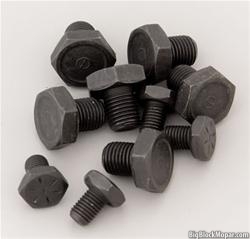
 www.bigblockmopar.nl
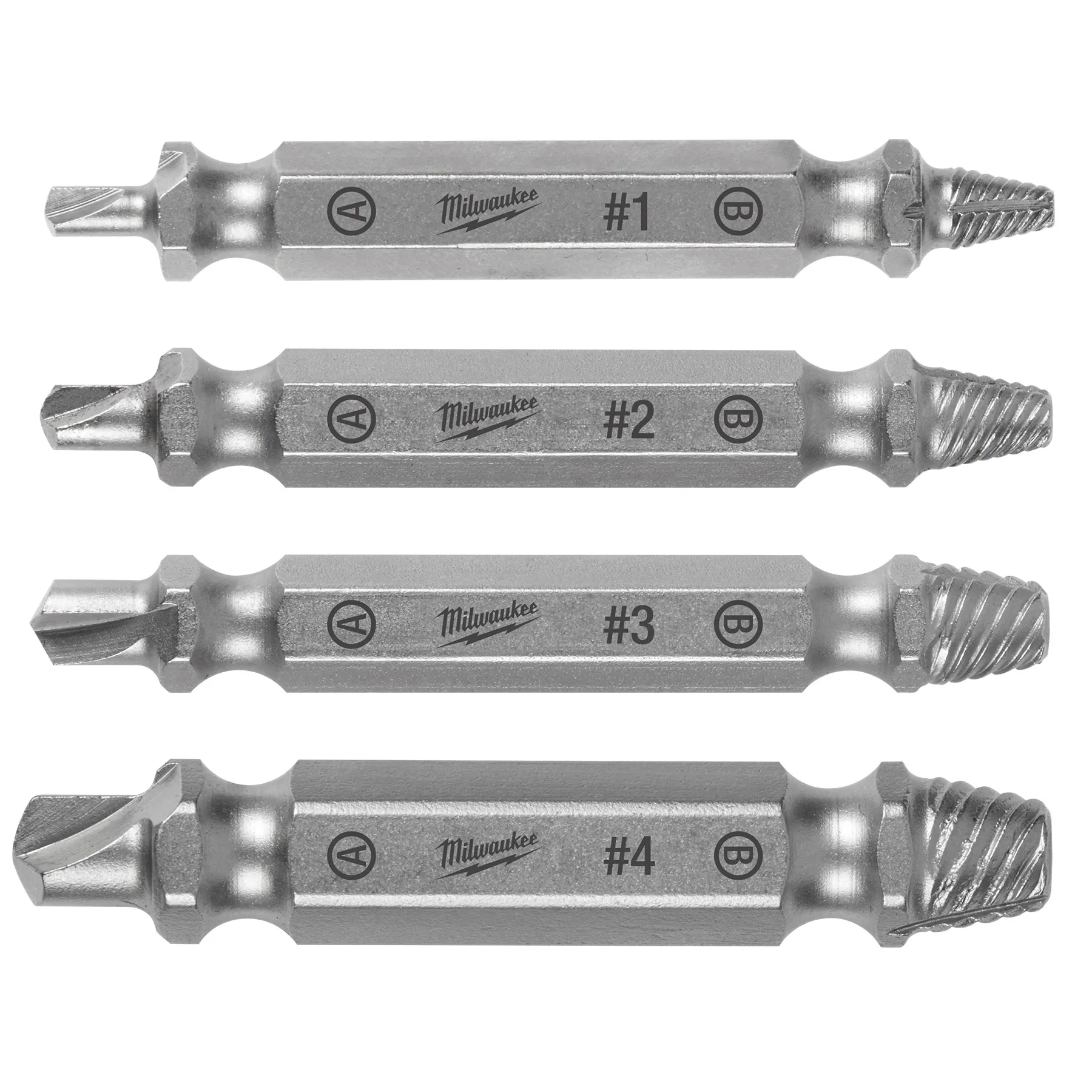
 www.milwaukeetool.com

Mopar Bolt Torque Specifications – Small Block
Mopar Small Block Bolt Torque Specifications SmallBlock LA Engine – 273, 318, 340, 360 Torque specifications are for stock factory type bolts with light engine oil applied to the threads an…
www.bigblockmopar.nl
(4PC) M2 Steel Screw Extractor Set | Milwaukee Tool
Our 4PC M2 Steel Screw Extractor Set is a complete solution, featuring a double-ended bit design, for easy removal of stripped screws and rounded bolts.
www.milwaukeetool.com

Wherever you go, chase your threads.

First off ditch the Haynes manual . They give you just enough info to get yourself in trouble .
Luckily it’s not a blind hole if it’s the pressure plate to flywheel bolts . Is the trany/engine in the car ? You will need to make sure the drill doesn’t walk when drill the hole in the bolt and muck up the threads in flywheel . If you can take the pressure plate off you could take the thickest piece of metal you can find and drill a pilot hole in it then c-clamp/ vice grip etc it to the pressure plate centered on the bolt . Use a smaller drill and make sure the pilot hole is square/centered to the broken bolt . It may just come out while you are drilling ? If it’s a blind hole You could buy a left/ reverse bit so it back it out .
Luckily it’s not a blind hole if it’s the pressure plate to flywheel bolts . Is the trany/engine in the car ? You will need to make sure the drill doesn’t walk when drill the hole in the bolt and muck up the threads in flywheel . If you can take the pressure plate off you could take the thickest piece of metal you can find and drill a pilot hole in it then c-clamp/ vice grip etc it to the pressure plate centered on the bolt . Use a smaller drill and make sure the pilot hole is square/centered to the broken bolt . It may just come out while you are drilling ? If it’s a blind hole You could buy a left/ reverse bit so it back it out .
That's because some engineer or book writer makes up names for pieces that we all know as something else.Sounds good! I’m having a hard time with these descriptions would this be considered flywheel cover bolts? In which case 100 inch/lb?


That’s definitely been my experience in trying to learn the transmission is out of the car and I can take the pressure plate back off of the flywheel, it was sadly my last bolt that I was torquing that snapped. I was so close to being able to put the bell housing back on and throw the transmission back in as well. At least I’m learning a lot. Definitely not torquing them down to 55 ft/lb anymore
Maybe take the flywheel off and repaire it where you can get at easily.

33IMP
Well-Known Member
100 inch pounds is probably for the tin pan that covers the bottom of the bell housing. That's probably about seven foot pounds (I didn't do the exact calc)
You can measure the size of the bolts for the pressure plate, (not the wrench size) and Google max torque for that size bolt.
Edit: if that's not a blind hole (I don't think it is) trying to drill it out for an easy-out might push the busted bolt out the back side!
You can measure the size of the bolts for the pressure plate, (not the wrench size) and Google max torque for that size bolt.
Edit: if that's not a blind hole (I don't think it is) trying to drill it out for an easy-out might push the busted bolt out the back side!

Being you over torqued them all , You need to replace them all. You'll find what you need here. If its a pressure plate bolt. They are special shoulder bolts. Not available at your local hardware store.
Select by Category - Mopar A833 4-Speed Transmission & Component Specialists
Select by Category - Mopar A833 4-Speed Transmission & Component Specialists
Last edited:
The holes go through the flywheel. Drill it from the opposite side and it should push the bolt out
Scody21
Just send it
- Joined
- Jul 17, 2019
- Messages
- 3,834
- Reaction score
- 4,990
If you using the hand drilling route and not the extractor cutter, make sure to use a snap punch to center a small drill bit and then step up drill sizes. The bolt is most likely harder material the flywheel material and can easily walk off the bolt. Take it sloooooowly….
If it at the 6:00 position it will just fall to the ground then .100 inch pounds is probably for the tin pan that covers the bottom of the bell housing. That's probably about seven foot pounds (I didn't do the exact calc)
You can measure the size of the bolts for the pressure plate, (not the wrench size) and Google max torque for that size bolt.
Edit: if that's not a blind hole (I don't think it is) trying to drill it out for an easy-out might push the busted bolt out the back side!
That’s why I use a pilot plate . To ensure I don’t get cadiwhampus and hit the threads with the bit .If you using the hand drilling route and not the extractor cutter, make sure to use a snap punch to center a small drill bit and then step up drill sizes. The bolt is most likely harder material the flywheel material and can easily walk off the bolt. Take it sloooooowly….
I crashed my dirtbike and snapped shift lever retaining bolt off . It was a 1/4” bolt and a 1/2” shift shaft . I had a buddy with a lathe and had him machine a 2” long section of 1” round stock with a 1/2” hole 1” deep. Then a 1/8” hole through the other 1” . Bought a 1/8” reverse drill bit to drill through the center of the bolt and the remnats backed itself out .
That was a real head scratcher until I came up with the pilot solution !
That was a real head scratcher until I came up with the pilot solution !

Before you drill I’d take a small pocket screwdriver or pick and see if you can back out the remainder of the bolt first. If the threads aren’t stretched too far it may come out that way. Since the head is gone the load is too. Just how I’d approach it.
33IMP
Well-Known Member
That's sure worth a shot.Before you drill I’d take a small pocket screwdriver or pick and see if you can back out the remainder of the bolt first. If the threads aren’t stretched too far it may come out that way. Since the head is gone the load is too. Just how I’d approach it.
3/8 bolts, 9/16 head/wrench should be torqued to 30 ft pounds.
-
Similar threads


- Replies
- 11
- Views
- 1K

- Replies
- 6
- Views
- 716


- Replies
- 1
- Views
- 540

















