
You are using an out of date browser. It may not display this or other websites correctly.
You should upgrade or use an alternative browser.
You should upgrade or use an alternative browser.
Clutch adjustment rod install direction
- Thread starter R72Demon
- Start date
-


What was the question? I don't understand. 

What was the question? I don't understand.
What side of the clutch adjustment rod goes against the z bar?

jbc426
Well-Known Member
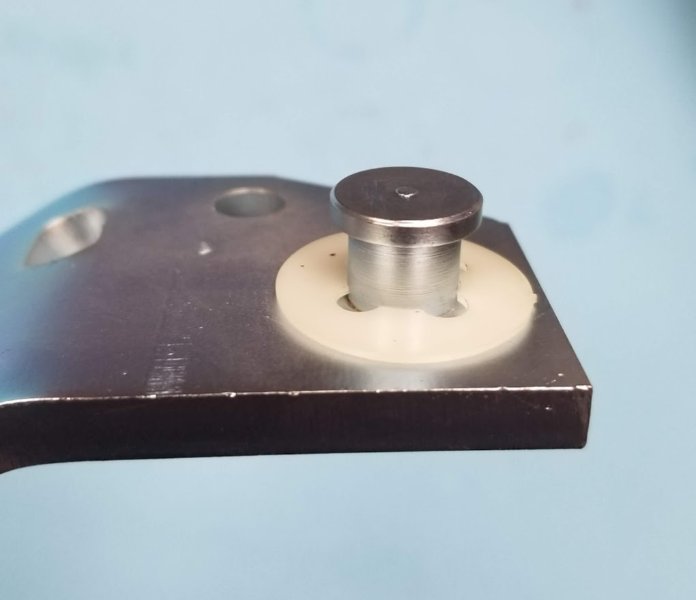
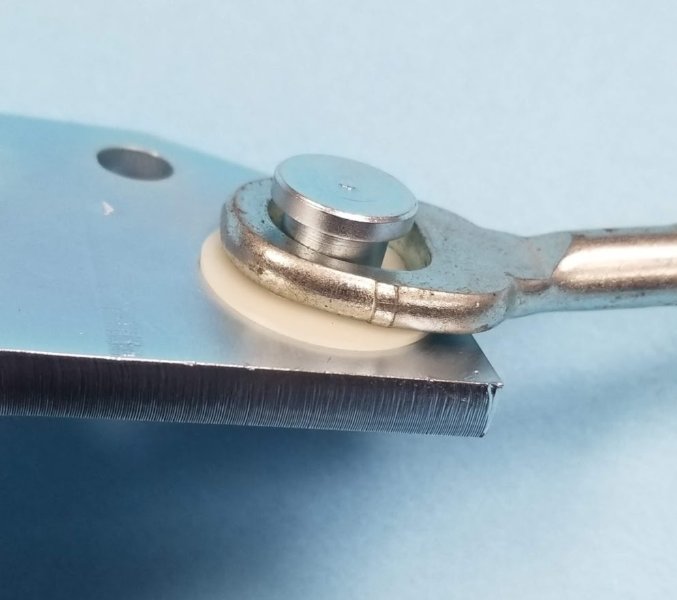
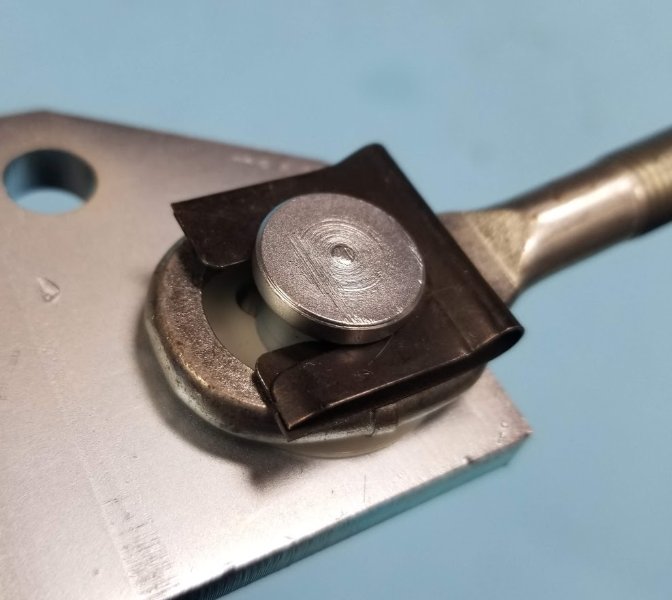
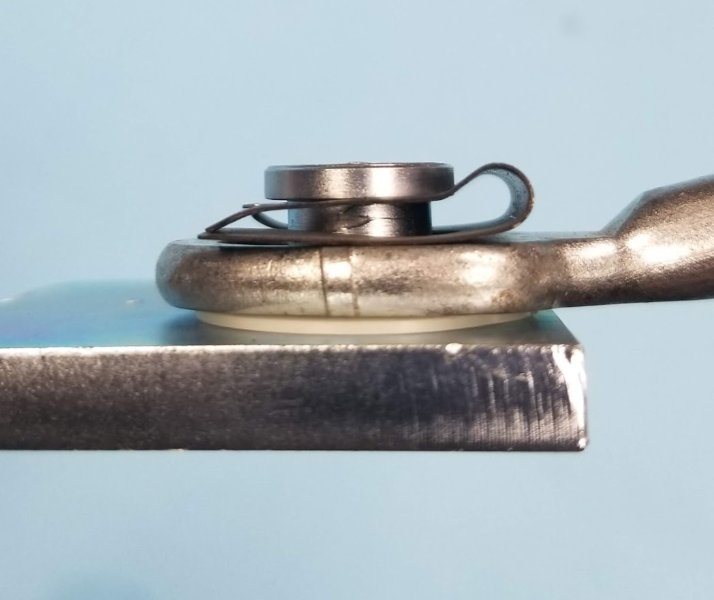
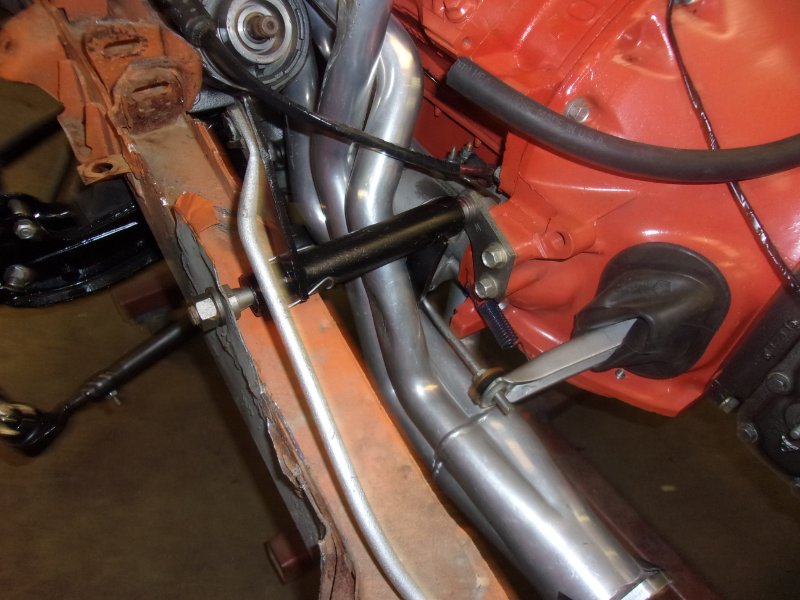
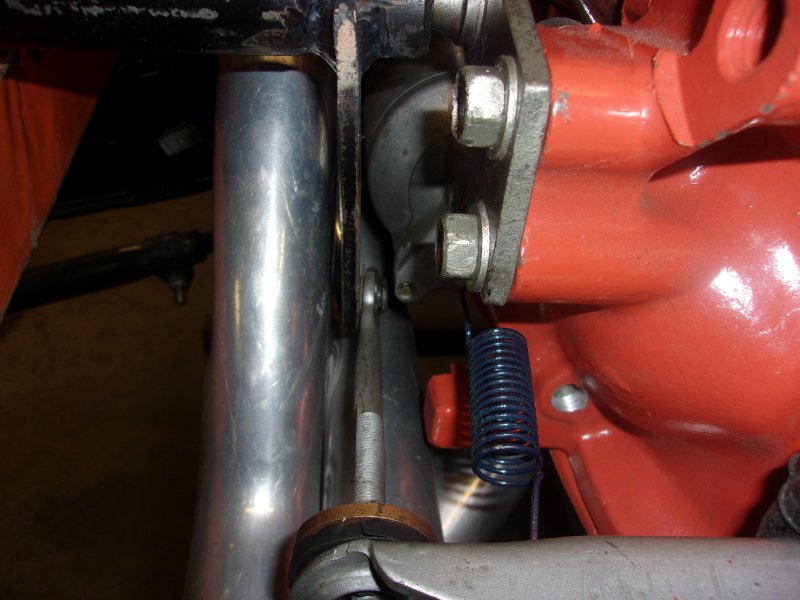
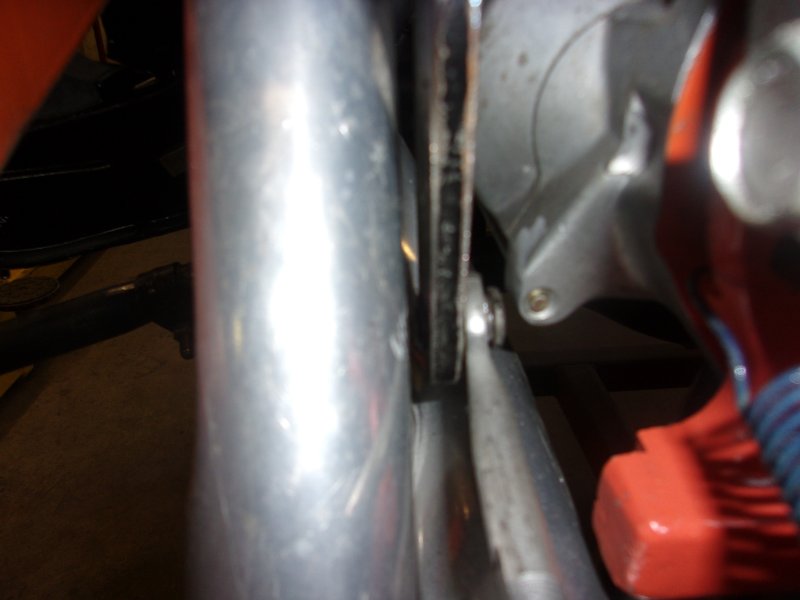
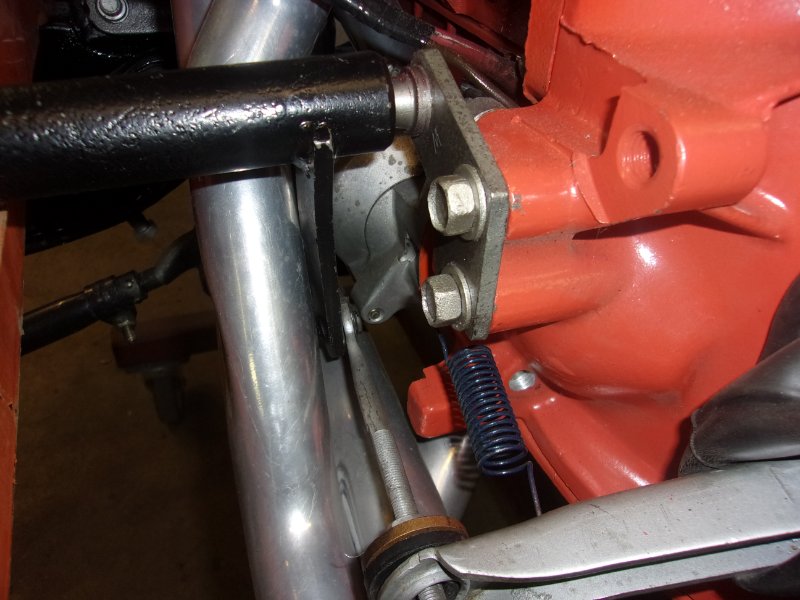
The flat side goes toward the Z-bar with a thin nylon washer between them. I use synthetic disc brake grease sparingly as a lubricant.
Make sure the two faces of the contact points are completely square with each other and have an even contact area for 360 degrees.
I've had to bend and slightly twist both the Z-rod arms and the rods to get the parts to sit squarely aligned and as close to a 90 degree contact with each other as possible to minimize wasted energy
Make sure the two faces of the contact points are completely square with each other and have an even contact area for 360 degrees.
I've had to bend and slightly twist both the Z-rod arms and the rods to get the parts to sit squarely aligned and as close to a 90 degree contact with each other as possible to minimize wasted energy

See attached.
jbc426
Well-Known Member
I'd have to agree to disagree. The design itself appears to be able to hold small pockets of grease than a plain flat nylon washer could.Do not put grease there, it will attract dirt and sand and wear it out.
Great intentions, terrible results.
No grease would cause early wear especially with a heavier-duty clutch cover. A little grease in the inner workings will not catch any significant amount of sand and dirt. Too much grease will catch sand and dirt on the outside of the joint, but it will predominantly stay on the surface with virtually no way to migrate inside the joint. If any does, it will be very minimal. It is a serviceable component and it does wear with use.
Last edited:

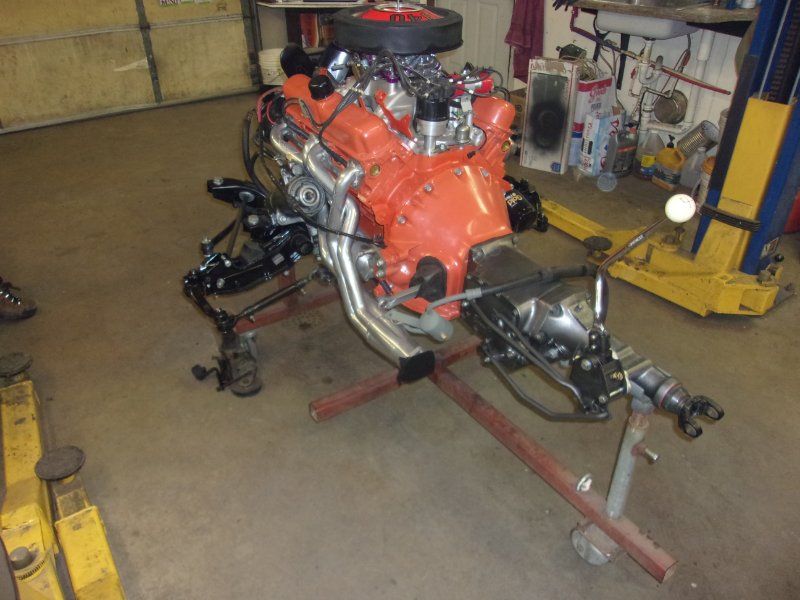
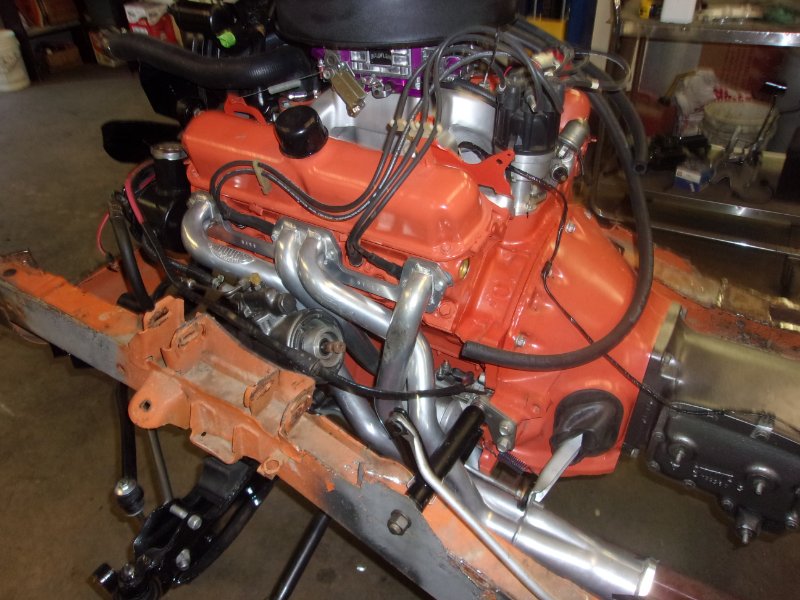
You need to turn the lever on the z-bar. Its in the directions for the header install. The adjustment rod comes off the z bar on the bell side instead of the out side. It must be cut off and welded back on. works good in the car
jbc426
Well-Known Member
The washers shouldn't be taking a crushing load. With a quality grease on them AND a properly set-up geometry of the Z-bar and rod linkage they should last quite a while. My linkage geometry was slightly off for some reason. The Z-bar arms were tweaked slightly and the rod ends fit on the pins a bit crooked. That had the Z-bar tube being pushed into the bellhousing instead of floating evenly between the two mounting studs. Once I tweaked the parts to improve the mechanical function of the assembly it reduced deflection and wear dramatically. I also chained the driver's side of the engine down.I'd assume the nylon washer won't last that long in that setup??
I'm talking when guys take the time to adjust the linkage geometry so the rods are pushing at as close to a 90 degree angle to the Z-bar arms with deburred mating surfaces, full contact between rod ends and pins (they sit flat to each other with no gaps) and quality grease on the contact patches.

I suspect the washer is nylon type material, and as such would form a 'dry lubricant' to negate the need to add grease for the pivot.
jbc426
Well-Known Member
I understand, but the major and highest point of contact is between the rod ends and the pins on the Z-bar occurs on the thin inner edge of the rod ends and on the side edge of the pins. That's where my parts have shown the most wear in the past. The side of the pin wears out a notch on the rod ends.I suspect the washer is nylon type material, and as such would form a 'dry lubricant' to negate the need to add grease for the pivot.
These points are metal-to-metal, and under a significant load when pushing in the clutch. Having no lubricant there accelerates wear at those contact points under load, right?
The surfaces that the washer contacts and cushions only helps with the side or lateral loads induced when the mechanism is in use.
I argue that the shape of the nylon washers is specifically designed to hold a small amount of grease so there is lubricant between points of major contact remain lubricated. Otherwise, they would have just used a round nylon washer with more surface area to function as you are suggesting, no?
Keep in mind that I forgot and don't recall what the FSM says, and I am just throwing my thoughts out there.

-
Similar threads

- Replies
- 111
- Views
- 4K


- Locked
- Replies
- 0
- Views
- 334

- Replies
- 11
- Views
- 1K


- Replies
- 1
- Views
- 199
















