
The engine is in, I'm not changing anything until something breaks!
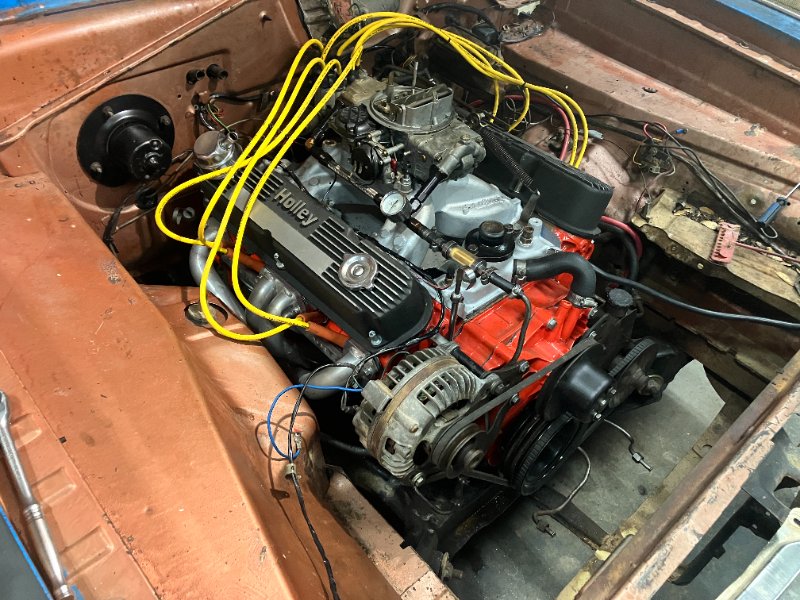
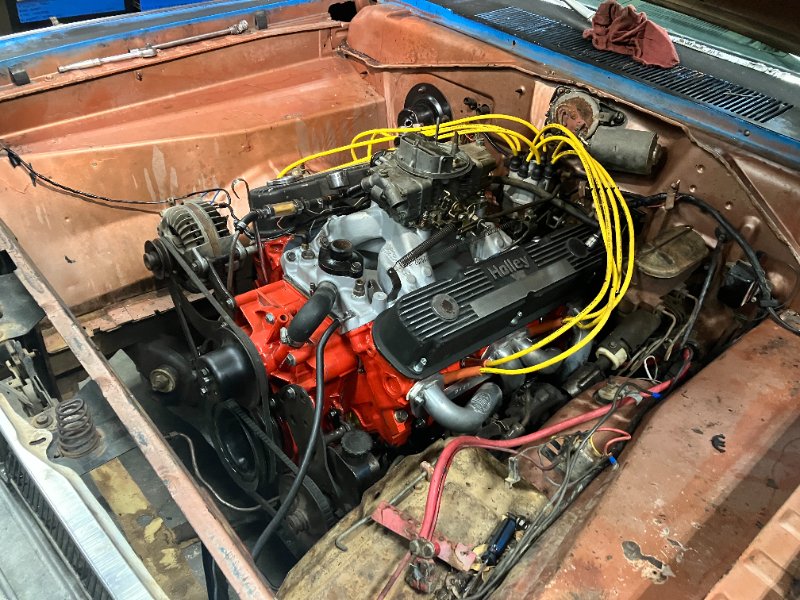


Run it!The engine is in, I'm not changing anything until something breaks!
View attachment 1716501424
View attachment 1716501425

Then wut the heck you even askin for then, dummy? Run the thing.The engine is in, I'm not changing anything until something breaks!
View attachment 1716501424
View attachment 1716501425
Post count.Then wut the heck you even askin for then, dummy? Run the thing.


Post count.

Just another pointless what cam question thread…
It did bring up some good discussion though.Just another pointless what cam question thread…
What is pointless about trying to learn?Just another pointless what cam question thread…
Nuthin. I think he just meant since you already have the cam.What is pointless about trying to learn?
I’ll have to agree with you on that…What is pointless about trying to learn?
I've wondered along the same lines the difference 1.5 vs 1.6 vs 1.7 rockers make with everything else on a given engine being the same. Vs a cam swapOk, just a question for the uninitiated...
Doesn't more lift inherently result in slightly more duration for a given base circle?
I get faster ramps but comparing old to old (slower ramps), or modern to modern (faster ramps), doesn't a measurable amount of duration come along for the ride as the lift increases? My ASSumption is the higher lift will require the ramps to widen slightly to accommodate the additional lift.
??
Bullet Cams Master Listwhere are these regrinds available on hughes website? cant find them anywhere


Any of our old engines with hydraulic lifters also have variable lift and duration. Not by much, but they do. That's why I don't like hydraulics.Most of the best engines now have verible lift and timing
On intake and exhaust
A lot of them will run different cold start timing to get the cat hot so they don't need an air pump
And run low lift at low rpms for more complete cylinder combustion (emissions and fuel economy)...and higher lift for more higher rpm hp...
So knowing what you want and at what rpm goes a long way to choosing the right cam
I’ve only use mechanical cams for the last forty years, far more reliable…Any of our old engines with hydraulic lifters also have variable lift and duration. Not by much, but they do. That's why I don't like hydraulics.


This dude hauls *** from idle to the high end. Power is up ate every point which makes me wonder how bad the valve springs are on the other engine. The '76 engine flattened out as rpms climbed up. It was like it accelerated great but then felt like the axle gearing went from a 4.10 to a 2.45.

Most stock heads stall out a tic before .500 lift. IF we're talkin about stock heads.I'm sure there's lots of good info in this thread, but I've only read Greg's first post (looking forward to the rest!)
I have a hypothetical
Using a typical 230 at .050, .480 lift white box cam as a baseline, which mod do you think will make more horsepower?
230 at.050, .530 lift.... or...
250 at .050, .480 lift.
I think I'd bet on the 250 to give quite a bit more top end power....
...and the .530 to give more usable, drivable torque
So, depending on intended use, which would you want?
Street car, I'll take the short duration/big lift cam every time.
Bracket racer (1/8 mile) I'd shoot for the duration I want, and look for as much lift as I could get.
Most stock heads stall out a tic before .500 lift. IF we're talkin about stock heads.


















